
Hapkido
Hapkido (also spelled hap ki do or hapki-do; Hangul: 합기도; Hanja: 合氣道) is a dynamic and eclectic Korean martial art. It is a form of self-defense that employs joint locks, techniques of other martial arts, as well as common primitive attacks.
There is also the use of traditional weapons, including a sword, rope, nunchaku, cane, short stick, and staff (gun, bō) which vary in emphasis depending on the particular tradition examined. Hapkido contains both long and close range fighting techniques, utilizing dynamic kicking and percussive hand strikes at longer ranges and pressure point strikes, joint locks, or throws at closer fighting distances.
Hapkido emphasizes circular motion, non-resisting movements, and control of the opponent. Practitioners seek to gain advantage through footwork and body positioning to employ leverage, avoiding the use of strength against strength. The art evolved from Daitō-ryū Aiki-jūjutsu or a closely related jujutsu system taught by Choi Yong-Sool (Hangul: 최용술) who returned to Korea after World War II, having lived in Japan for 30 years.
This system was later combined with kicking and striking techniques of indigenous and contemporary arts such as taekkyeon and tang soo do. Its history is obscured by the historical animosity between the Korean and Japanese peoples following the Second World War.
Hapkido
Hapkido (also spelled hap ki do or hapki-do; Hangul: 합기도; Hanja: 合氣道) is a dynamic and eclectic Korean martial art. It is a form of self-defense that employs joint locks, techniques of other martial arts, as well as common primitive attacks.
There is also the use of traditional weapons, including a sword, rope, nunchaku, cane, short stick, and staff (gun, bō) which vary in emphasis depending on the particular tradition examined. Hapkido contains both long and close range fighting techniques, utilizing dynamic kicking and percussive hand strikes at longer ranges and pressure point strikes, joint locks, or throws at closer fighting distances.
Hapkido emphasizes circular motion, non-resisting movements, and control of the opponent. Practitioners seek to gain advantage through footwork and body positioning to employ leverage, avoiding the use of strength against strength. The art evolved from Daitō-ryū Aiki-jūjutsu or a closely related jujutsu system taught by Choi Yong-Sool (Hangul: 최용술) who returned to Korea after World War II, having lived in Japan for 30 years.
This system was later combined with kicking and striking techniques of indigenous and contemporary arts such as taekkyeon and tang soo do. Its history is obscured by the historical animosity between the Korean and Japanese peoples following the Second World War.
Yellow Belt
By Tim Bright
The first of three series from High Desert Hapkido teaches the techniques required to be awarded various belt levels from High Desert Hapkido and Full Circle Hapkido Association. This series specifically addresses the techniques required for a yellow belt ranking and serves as a good foundation of Hapkido techniques.
-
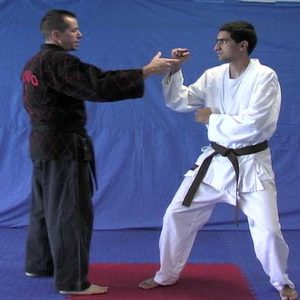
Basic Stances and Falls
$3.99 This video introduces the front, back and side falls with detailed demonstrations to ensure you learn these properly.
-

Basic Kicks
$1.99 Kicks featured in this episode include the front kick, inside kick, outside kick, sitting front, sitting front side, and sitting side side kick.
-

Punch & Front Kick Defense
$3.99 Episode 3 introduces 5 different blocks against a punch and 2 different blocks against a front kick.
-

Defense Against A Wrist Grab
$3.99 Techniques to defend yourself against someone grabbing your wrist from the same side.
-
First Moving Attacks
$1.99 Episode 5 addresses situations where it is deemed necessary to attack first. This episode covers 3 different techniques needed for a yellow belt.

Orange Belt
By Tim Bright
The second series from High Desert Hapkido teaches the techniques required to be awarded various belt levels from High Desert Hapkido and Full Circle Hapkido Association. This series specifically addresses the techniques required for an orange belt ranking including more kicks, basic blocks, wrist grabs and falling techniques.
-
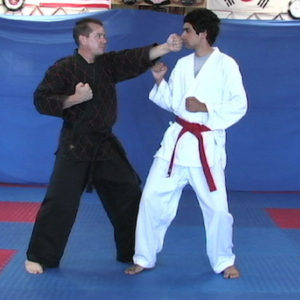
Basic Kicks & Defense Against Kicks
$3.99 Episode 1 begins with more kicks including a knee strike, sidekick, a roundhouse kick, sitting roundhouse, and a sitting heel outside kick.
-

Basic Blocks Orange Belt
$3.99 Episode 2 covers 6 different defenses against a punch and introduces two defenses against a double punch.
-

Wrist Grab Defense
$3.99 Episode 3 introduces 6 different defenses against a wrist grab that use twisting techniques to break the opponent’s grab.
-

Falling Techniques
$1.99 This video includes falling techniques from both an orange and purple belt levels. These techniques include rolling to a stop, rolling to a standing position and a high fall.

Purple Belt
By Tim Bright
The third series from High Desert Hapkido teaches the techniques required to be awarded various belt levels from High Desert Hapkido and Full Circle Hapkido Association. This series specifically addresses the techniques required for a purple belt ranking including more kicks, basic blocks, wrist grabs and free fighting techniques.
-

Kicks – Purple Belt
$3.99 Episode 1 begins with more kicks including a heel outside kick, back kick, jump front kick, jump sidekick, and a jump roundhouse.
-

Self Defense Against Kicks
$2.99 Episode 2 covers multiple twisting and striking defenses against front kicks, side kicks, and roundhouse kicks.
-

Defense Against Punching
$3.99 Episode 3 introduces three new defenses against a stepping punch. Theses defenses build upon material covered in another series.
-

Cross Hand Grab Defense
$3.99 Episode 4 introduces six new defenses against a cross hand grab. These techniques utilize leverage and joint locking to break the opponent’s grab and follow up with a strike.
-

Free Fighting Techniques
$3.99 These are techniques to use when both opponents are already engaging in a fight. These techniques include twisting techniques, a leg sweep and more!
School/Dojo: High Desert Hapkido
Disciplines: Hapkido
Location: Hesperia, CA
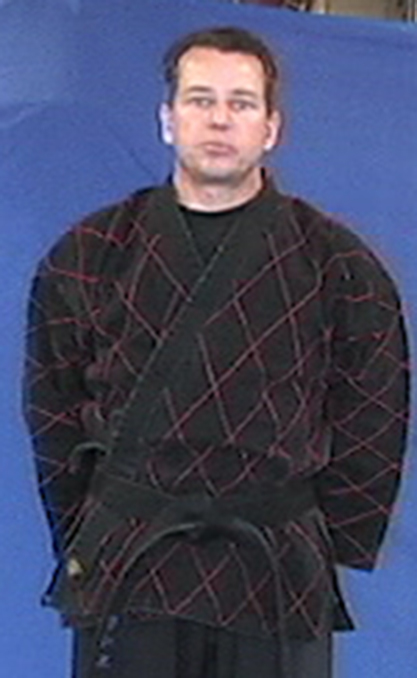
Tim Bright is the Chief Instructor at Hesperia Hapkido and holds the rank of 5th Dan. Although Hapkido remains Mr. Bright’s first true passion, Mr. Bright has trained in various Martial arts for more than 20 years.
Mr. Bright was inducted into the U.S.A.M.A. Hall of Fame in 2007 and in 2008 he was inducted by World Martial Arts League as American Hapkido instructor of the year.
Mr. Bright’s commitment to community awareness has led him to teach child safety, woman’s self defense classes for public and private groups, and conducted arrest and control classes for several law enforcement agencies. He has also performed at Dodger Stadium, the Rose Bowl, and the Los Angeles County Fair, as well as many other community and public demonstrations.


